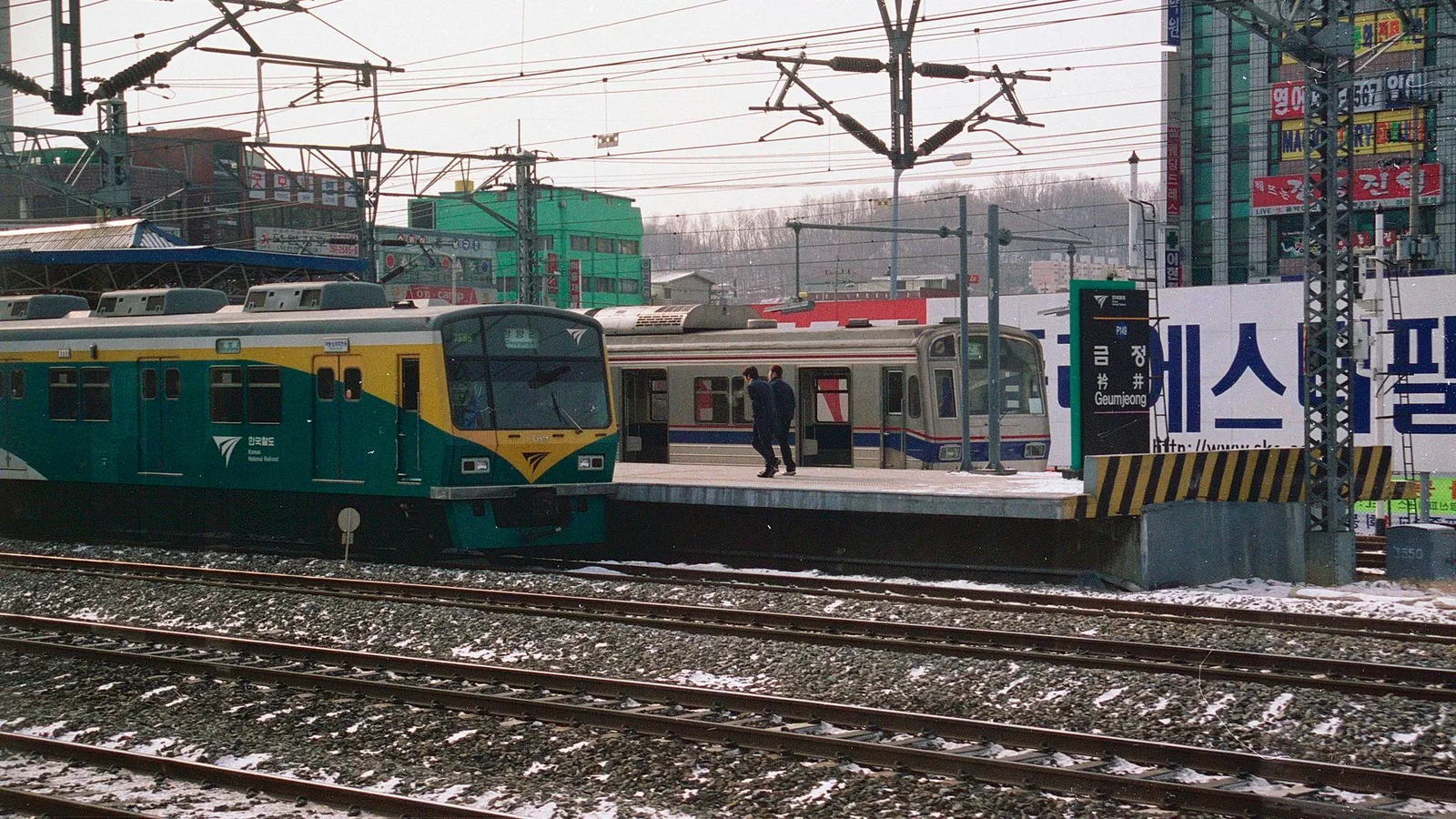
The easiest way to go to Chuncheon from Seoul is the ITX-Cheongchun from Yongsan Station. It takes about 85 minutes and arrives at Chuncheon Station. The Gyeongchun Line subway costs less and runs more frequently, but takes longer. Choose ITX for a timed day trip, the subway for flexibility, and a car for countryside stops.
Key takeaways for traveling from Seoul to Chuncheon
- Fastest practical rail option: ITX-Cheongchun from Yongsan to Chuncheon, listed at 85 minutes by Chuncheon City.
- Most flexible rail option: the regular Gyeongchun Line from Sangbong, with weekday departures roughly every 20 minutes.
- Best option for several stops: a car using the Seoul-Yangyang Expressway.
- Main booking issue: ITX seats are reserved, while the regular Gyeongchun Line works like a subway service.
- Fare warning: the current exact Seoul-Chuncheon fares were not available in the accessible official fare tables checked on August 17, 2026, so this article does not present an invented price.
How to go to Chuncheon from Seoul by ITX-Cheongchun
ITX-Cheongchun is the clearest choice for a first Chuncheon day trip. The service runs from Yongsan Station to Chuncheon Station, avoiding the long sequence of subway stops on the Gyeongchun Line. The Korea Tourism Organization describes the train's maximum speed as 180 km/h, and Chuncheon City lists the Yongsan-Chuncheon journey at 85 minutes.
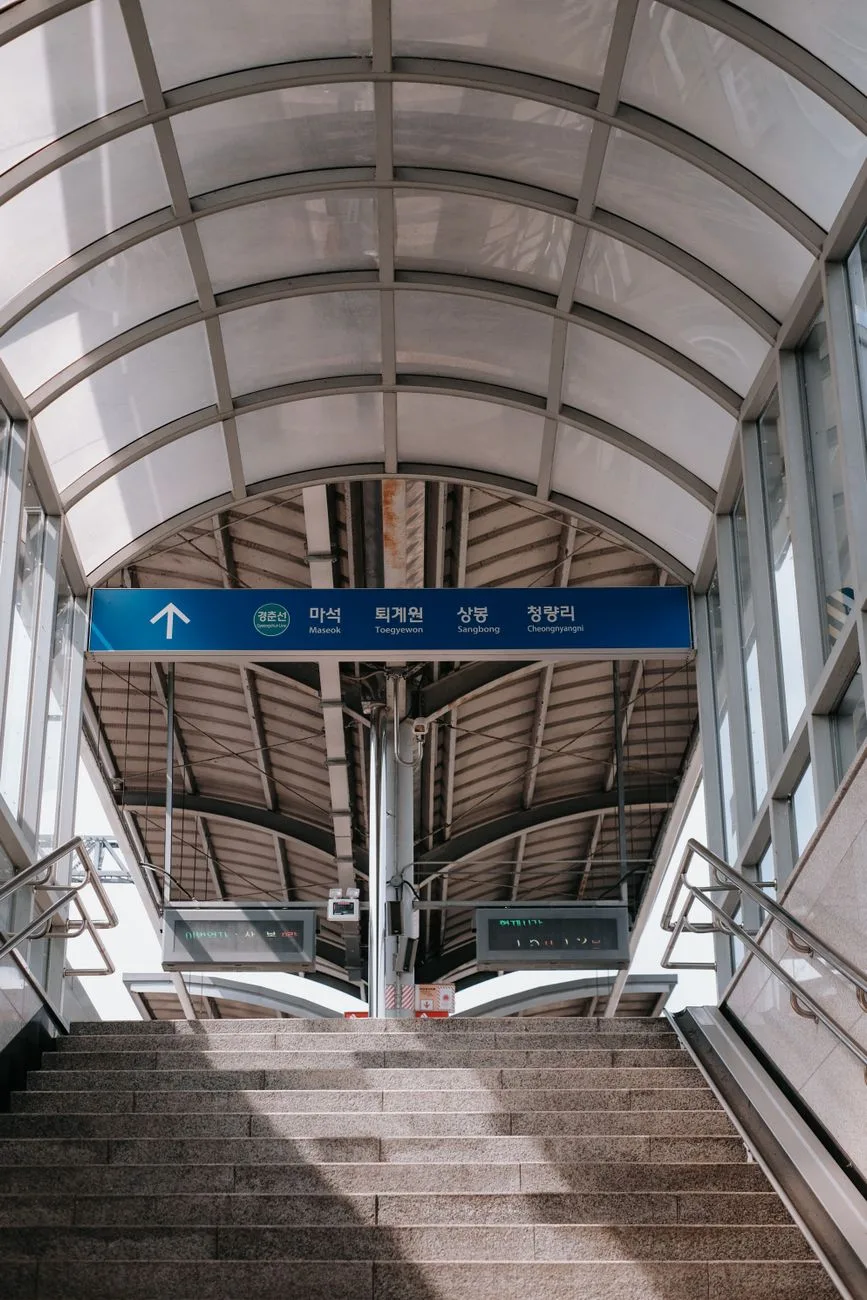
The route suits travelers who already know their departure time. A reserved seat gives the journey a fixed start and finish, which matters when a Chuncheon itinerary includes a booked activity, a festival session, or a return train before dinner.
Where to board the ITX-Cheongchun
Start at Yongsan Station rather than Seoul Station. Yongsan is served by Seoul Subway Lines 1 and 4, the Gyeongui-Jungang Line, and other rail connections. Allow extra time to find the Korail platforms if the station is unfamiliar. A subway arrival at Yongsan is not the same as being ready beside the ITX platform.
The train terminates at Chuncheon Station. From there, central Chuncheon attractions and local buses are easier to reach than from some intermediate stations on the route. The final destination matters because trains toward Chuncheon also serve Namchuncheon and other stops before the terminus.
ITX-Cheongchun departure times and frequency
Chuncheon City's official public-transport page lists Yongsan departures from 06:00 to 22:48 on weekdays and from 06:15 to 22:05 on Saturdays and holidays, based on the timetable page checked for this article. It lists 36 weekday services and 52 holiday services, with intervals of 30 minutes during commuting periods and 60 minutes at other times.
Those figures describe the published service pattern, not a promise that every future timetable will remain identical. Service changes, special schedules, and sold-out departures can affect a particular date.
Korea Tourism Organization states that train tickets can generally be purchased from one month before departure at 07:00 until 20 minutes before departure. App purchases may remain available immediately before departure. The relevant booking window and ticket conditions should be read against the current Korail booking screen for the selected date. The Korea Tourism Organization's transport guidance was updated August 7, 2026.
Worked example: when the ITX saves enough time
Consider a traveler staying near Yongsan who wants to spend six hours in Chuncheon and return to Seoul the same evening.
The published one-way ITX travel time is 85 minutes. The round-trip rail time is therefore:
85 minutes + 85 minutes = 170 minutes
That is 2 hours 50 minutes on the train, before station transfers and waiting. A departure at 08:00 would place the traveler at Chuncheon Station at about 09:25 if the train runs to the listed schedule. A return around 17:00 would leave roughly 6 hours 10 minutes between the two scheduled train times, before allowing for local travel.
The arithmetic explains the decision: the ITX is valuable when a fixed arrival time protects several hours at the destination. It is less valuable when the itinerary has no booking and the traveler prefers to leave whenever ready.
How to use the Gyeongchun Line subway from Seoul
The regular Gyeongchun Line is the lower-commitment rail option. Travel to Sangbong Station, board a Chuncheon-bound train, and remain on the line until Chuncheon. The service is integrated into Seoul-area public transport, so it is more familiar to travelers already using a transit card and changing between subway lines.
Chuncheon City lists weekday departures from Sangbong to Chuncheon from 05:10 to 23:54. On Saturdays and holidays, the listed range is 05:30 to 23:12. The page describes service at approximately 20-minute intervals on weekdays and 25-minute intervals on Saturdays and holidays.
The reverse journey from Chuncheon to Sangbong is listed at 82.5 minutes, while Chuncheon to Cheongnyangni is listed at 91.5 minutes. A timetable can show a shorter or longer total day depending on the exact departure and transfer, but the published line time makes the central trade-off clear: the regular line takes a similar order of time to the ITX while offering more frequent departures and subway-style access.
Why the subway may be better than the ITX
The Gyeongchun Line wins in three situations:
- The departure time is uncertain.
- The traveler is already near Sangbong rather than Yongsan.
- The itinerary may end at an intermediate station or requires ordinary subway transfers.
It also removes the risk of choosing the wrong reserved departure. That flexibility has a cost in time and comfort. A traveler who boards at Sangbong after crossing Seoul may spend much of the ITX time saving effort before the train even leaves.
The advice fails if the trip starts near Yongsan and has a firm morning reservation. In that case, the subway's flexibility does not compensate for a longer transfer chain and a less predictable arrival.
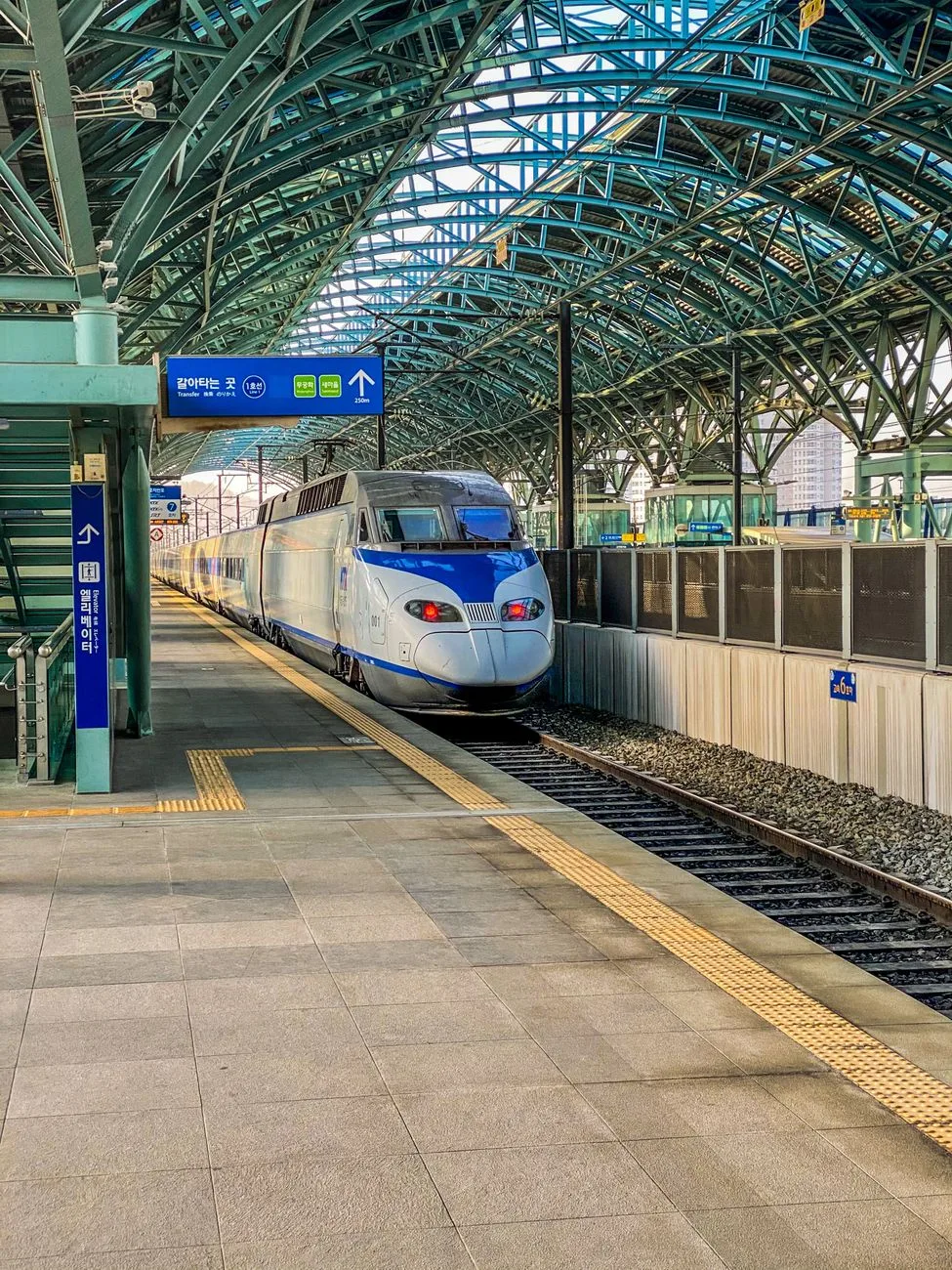
ITX-Cheongchun versus the Gyeongchun Line
The table answers the practical question: which train matches the way the day is organized?
| Option | Seoul departure | Published travel time | Service pattern | Best fit |
|---|---|---|---|---|
| ITX-Cheongchun | Yongsan | 85 minutes | Reserved intercity service | Fixed day trip |
| Gyeongchun Line | Sangbong | About 82.5 minutes from Chuncheon return | About 20 to 25 minutes | Flexible departure |
| Gyeongchun Line via Cheongnyangni | Cheongnyangni | 91.5 minutes from Chuncheon return | Timetable dependent | East Seoul access |
| Car | Seoul entry point | Traffic dependent | Depart when ready | Multiple stops |
The comparison shows that the headline time gap is smaller than many visitors expect. The important difference is station location, reservation style, and the number of stops planned after arrival. Chuncheon City's public-transport page supplies the rail timings and interval figures; it does not provide one universal current fare for every Seoul-Chuncheon trip in the accessible text checked on August 17, 2026.
How to go to Chuncheon from Seoul by car
Driving is useful when Chuncheon is one stop in a wider countryside route. Chuncheon City's official location guidance identifies the Seoul-Yangyang Expressway as the road connection and lists exits including Hwaydo, Seojong, Seorak, Gangchon, and Namchuncheon before Chuncheon Junction.
The car route has no honest single travel-time answer. Seoul traffic, the departure district, weekend congestion, weather, and the selected interchange all change the result. A train has a published line journey; a car has door-to-door flexibility but a moving arrival estimate.
Tolls also cannot be represented by one universal Seoul-Chuncheon number. The Seoul-Yangyang Expressway's official fee information is organized by entry interchange, exit interchange, and vehicle class. The amount for a private car therefore depends on where the vehicle enters and leaves the expressway.
Choose the car when at least two of these are true:
- The group wants Gangchon or rural stops before Chuncheon.
- The itinerary includes luggage, outdoor equipment, or children who make transfers difficult.
- The group has three or more travelers and values door-to-door movement.
- The return time is flexible enough to absorb traffic.
A car is a poor substitute for the train when the plan centers on central Chuncheon and the driver would spend the day paying for parking, following congestion, and avoiding alcohol with a meal. The train removes those constraints.
A decision rule for choosing the right route
Use this sequence before booking:
- Locate the Seoul starting point. Near Yongsan favors ITX. Near Sangbong or Cheongnyangni favors the Gyeongchun Line.
- Fix the arrival requirement. A booked tour, festival session, or timed meal favors a reserved ITX departure.
- Count destination stops. Chuncheon alone favors rail. Chuncheon plus Gangchon, rural viewpoints, or several dispersed sites favors a car.
- Check return tolerance. A fixed return time favors a reserved train. An open-ended evening makes the subway more convenient.
- Price the exact ticket or toll only after the route is chosen. Current ITX and Gyeongchun fares are separate official fare tables, and a car toll depends on vehicle class and interchanges.
The result can be stated simply: take ITX-Cheongchun for a timed one-day visit, the Gyeongchun Line for flexibility, and a car for a multi-stop itinerary.
Timetable, booking, and transfer mistakes to avoid
Going to Seoul Station for the ITX
The ITX-Cheongchun route described here begins at Yongsan Station. Seoul Station is a different major rail station. Starting at the wrong station can erase the time advantage before the journey begins.
Treating the ITX like an ordinary subway train
The ITX is a reserved train. A transit card tap is not a substitute for a valid reserved ticket. The regular Gyeongchun Line has a different operating model, so the two services should not be treated as interchangeable simply because they share the Chuncheon destination.
Checking only the departure time
The arrival station affects the rest of the day. Chuncheon Station, Namchuncheon Station, and other stations along the corridor are not interchangeable for a walking itinerary. Match the station to the first destination before paying for a ticket.
Assuming the published timetable is permanent
The timetable figures in this article are scoped to the official pages checked in August 2026. Holiday schedules and later service changes can alter the departure window. The Korea Tourism Organization also notes a defined ticket-purchase window, so a planned trip far in advance may not yet be bookable.
Inventing a budget from an old fare
A historical Korail promotional page has cited ₩9,800 from Chuncheon to Yongsan and ₩8,600 from Chuncheon to Cheongnyangni, but those figures do not establish the current 2026 fare. They should not be presented as today's price. Use the exact fare displayed for the selected date and service.
When seasonal events change the transport choice
A major event can make the reserved-train decision more valuable. Chuncheon's official notices scheduled the 2026 Chuncheon Mime Festival for May 24 to 31, 2026, with locations including Jungang-ro, Festival Theater Momzit, and the Legoland Korea Resort parking area. The same city notices scheduled the Gangwon-Chuncheon World Taekwondo Culture Festival from July 8 to 22, 2026, and the 2026 Chuncheon Korea Open International Taekwondo Championships from July 18 to 22, 2026, at the Songam Sports Town air dome area.
Those are date-specific 2026 events, not recurring guarantees for later years. During a city event, the best transport decision depends on the venue rather than the city name alone. A train to Chuncheon Station may be convenient for a central venue, while a car can create a parking problem near a crowded site.
Chuncheon City's festival page did not provide a confirmed 2026 date for the Makguksu and Dakgalbi Festival in the research checked for this article. That absence is a reason to avoid building a travel schedule around an assumed festival date.
FAQ: traveling from Seoul to Chuncheon
How long does the ITX-Cheongchun take from Yongsan to Chuncheon?
Chuncheon City's public-transport information lists the journey at 85 minutes. The actual door-to-door trip is longer after reaching Yongsan Station and leaving Chuncheon Station.
Is the Gyeongchun Line cheaper than the ITX-Cheongchun?
The services use separate fare structures, but the current exact Seoul-Chuncheon fare was not available in the accessible official fare text checked on August 17, 2026. The correct comparison must use the current fare displayed for the selected service and origin.
Can I use a T-money card on the ITX-Cheongchun?
The ITX is a reserved train, so a valid ticket is required. The regular Gyeongchun Line follows subway-style public-transport use. Keep the two services separate when planning payment and boarding.
Which Seoul station is best for Chuncheon?
Yongsan is the relevant departure station for ITX-Cheongchun. Sangbong is the key departure station for the regular Gyeongchun Line, while Cheongnyangni can suit travelers already on Seoul's eastern side.
Is Chuncheon possible as a day trip from Seoul?
Yes. The listed ITX journey is 85 minutes each way, producing 170 minutes of round-trip train time. That leaves a workable day for a central Chuncheon itinerary, provided the return departure is chosen before the afternoon becomes crowded.
Should I take a train or drive to Chuncheon?
Take the train for a single-city visit with a defined schedule. Drive when the itinerary includes Gangchon or several locations outside the rail corridor. The road toll cannot be reduced to one universal price because it depends on entry, exit, and vehicle class.
When can Chuncheon train tickets be booked?
The Korea Tourism Organization states that tickets can generally be purchased one month before departure from 07:00 until 20 minutes before departure, with app purchases potentially available immediately before departure. The booking screen for the selected date controls the final availability.