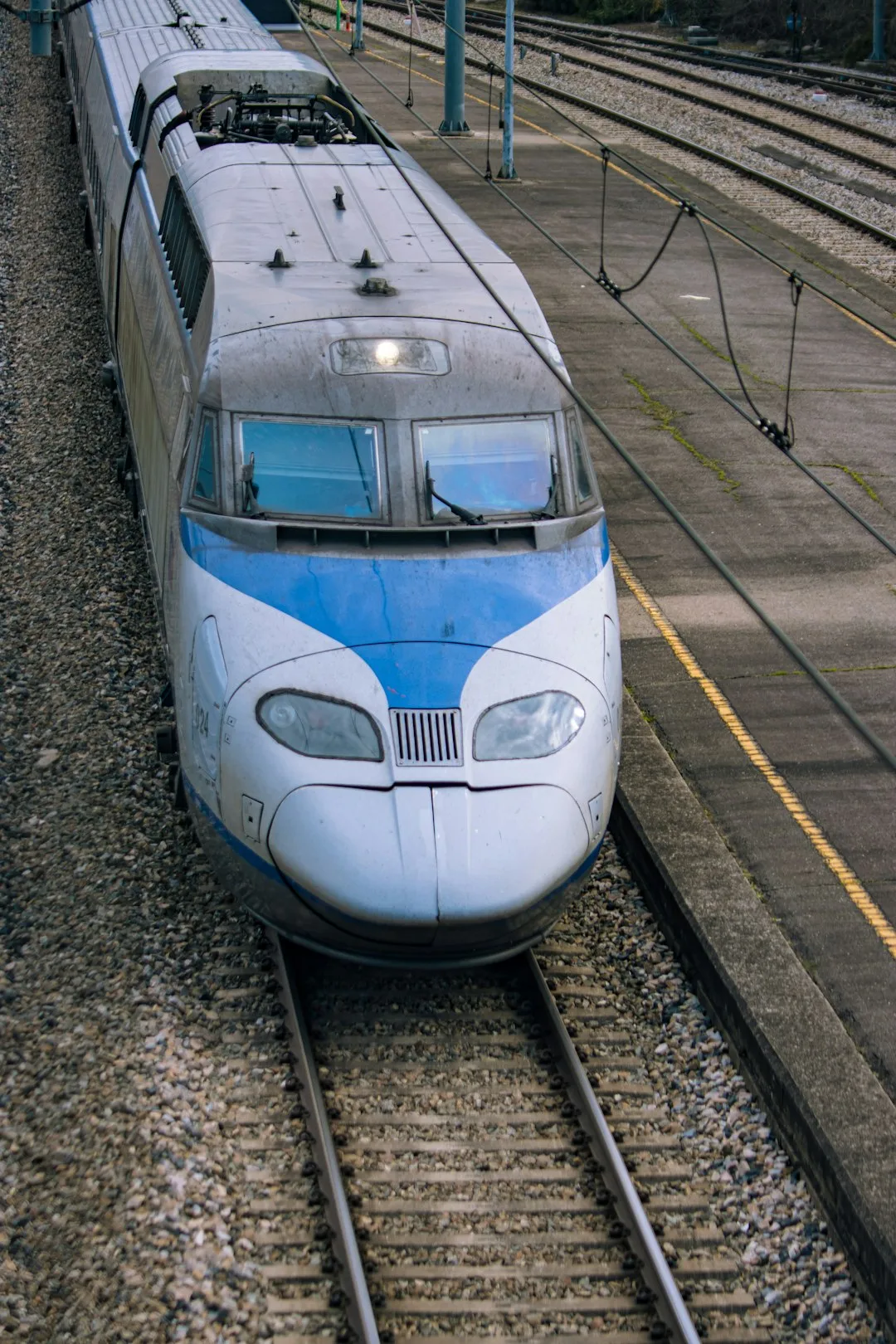
Short verdict up front: for the itineraries most visitors actually ride, the KORAIL Pass loses money. It wins in one narrow case — two long-distance legs a day, most days. And on 1 September 2026 the maths gets worse, because KTX fares are being cut while the pass price, so far, is not.
The 1 September 2026 change comes first
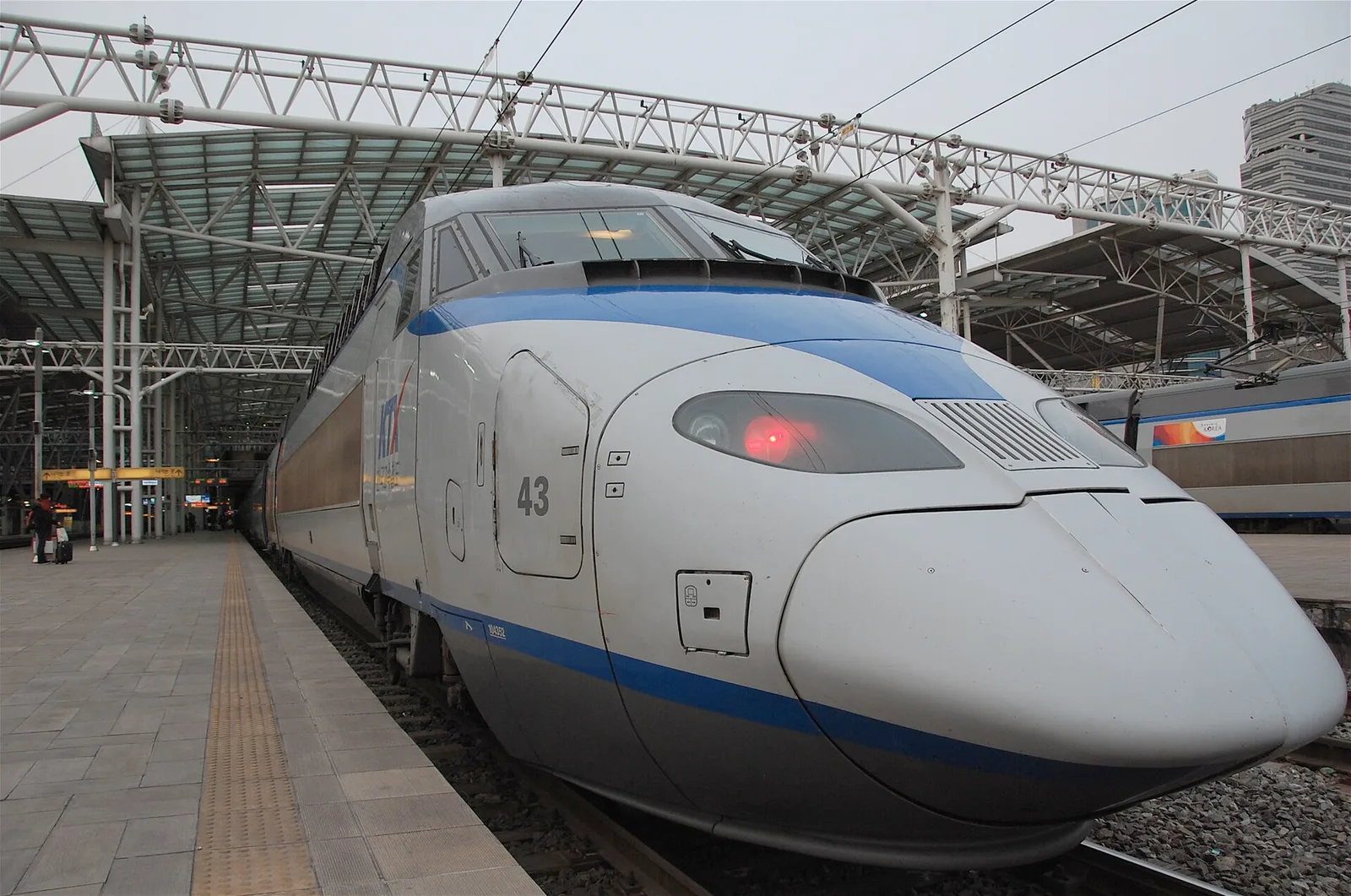
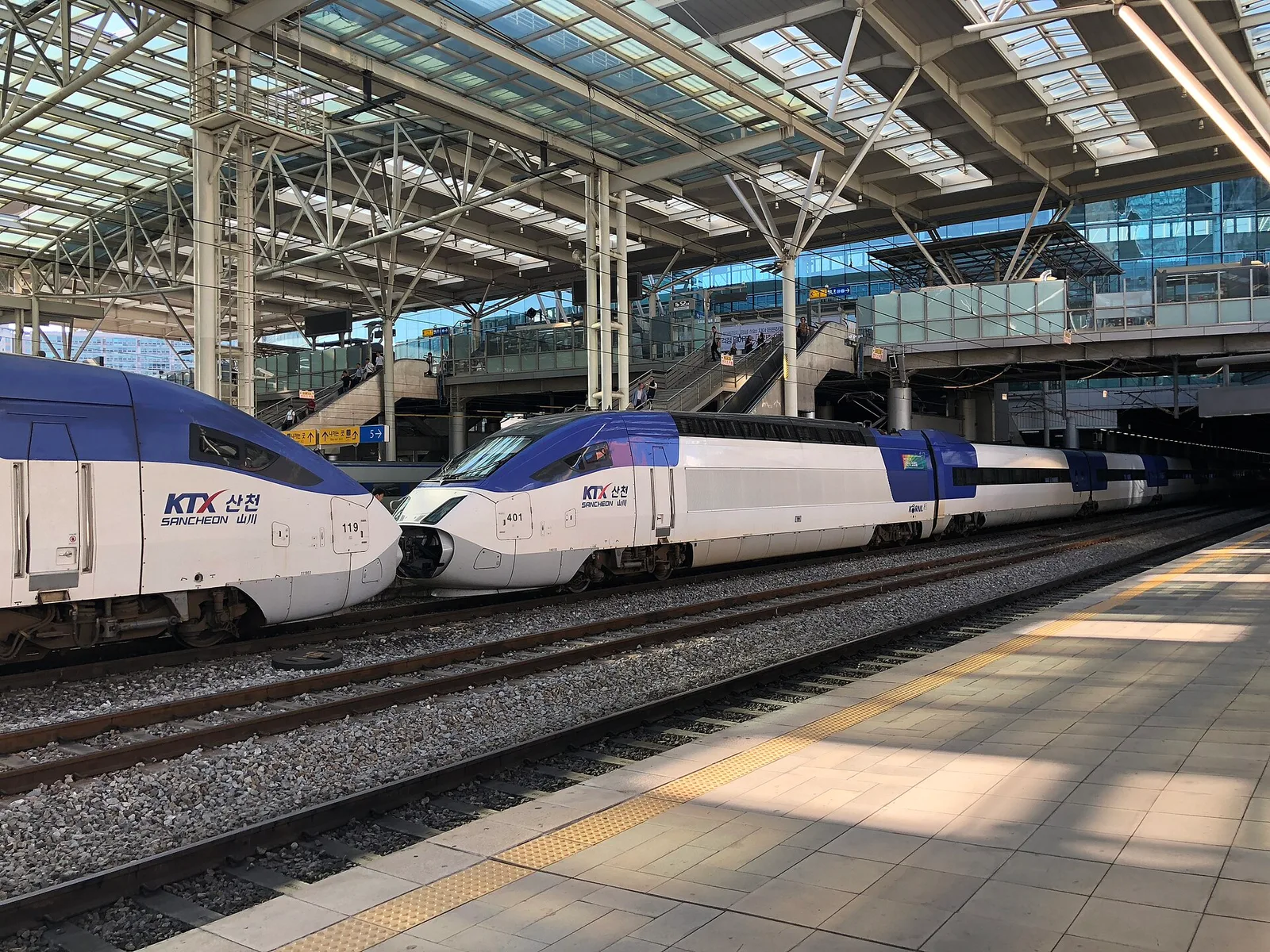
Korail is merging KTX and SRT into one operation on 1 September 2026, with SRT rebranded as KTX-산천 (KTX-Sancheon), announced 5 August 2026. The part that matters to your wallet: KTX fares fall by an average 10% that day. Korail has published two specific post-cut figures — Seoul–Busan drops from ₩59,800 to ₩54,400, and Yongsan–Gwangju Songjeong from ₩46,800 to ₩42,000.
Capacity rises too: +16,000 seats a day, weekday high-speed runs going 379 → 402. The unified booking app, 코레일+ (Korail+), launched 3 August 2026 and covers both Seoul and Suseo departures.
Cheaper tickets and no pass discount means the break-even bar moves against the pass by about 11%. Every fare in the next section is a pre-1-September figure, pulled on 10 August 2026.
The open question nobody has answered
The pass has never covered SRT, because SRT was run by SR, not Korail. After 1 September those trains carry the KTX name and Korail's operation. No published source, including Korail's own integration announcements, says whether the KORAIL Pass will be valid on Suseo departures after that date. As of 10 August 2026 it is unresolved. If you are planning around Suseo, do not assume either way.
Also unannounced as of 10 August 2026: any adjustment to pass prices to match the fare cut.
Pass prices, and which figures to trust
Three different price structures are in circulation online. The one below is what Korail itself published on 29 December 2025: a single Select family of 2, 3, 4 or 5 travel days, used flexibly within a 10-day window from first use.
| Travel days | Adult (13+) | Child (6–12) | Cost per travel day (adult) |
|---|---|---|---|
| 2 | ₩131,000 | ₩66,000 | ₩65,500 |
| 3 | ₩186,000 | ₩93,000 | ₩62,000 |
| 4 | ₩234,000 | ₩117,000 | ₩58,500 |
| 5 | ₩275,000 | ₩138,000 | ₩55,000 |
Ignore the two competing sets you will find on reseller and guide sites: one claiming the 3-day and 5-day are consecutive-day passes at ₩165,000 and ₩244,000, and an older set at ₩121,000 / ₩138,000 / ₩193,000 / ₩210,000. Both conflict with the December 2025 Korail release. The Youth (13–27) and Saver (group) tiers appear only on the outdated pages; current sellers list Adult and Child only, and no Korail statement discontinuing them has been published.
One child under 6 travels free per accompanying adult, without an allocated seat. A Korail Pass Plus add-on costs +₩8,000 and bundles a prepaid transit card for nationwide subway and bus — the base pass covers neither.
The rule that caps your winnings
You get two reserved seats per person per day. A third journey that day is standing or unreserved. That single rule sets the ceiling on how much value you can extract, and it is why the pass cannot be beaten into profit by simply riding more.
So the real bar is per-leg, not per-day. Divide the daily cost by two:
| Pass | Break-even per travel day | Break-even per reserved leg (2 legs/day) |
|---|---|---|
| 2-day | ₩65,500 | ₩32,750 |
| 3-day | ₩62,000 | ₩31,000 |
| 4-day | ₩58,500 | ₩29,250 |
| 5-day | ₩55,000 | ₩27,500 |
If you ride one leg on a travel day, that leg has to be worth ₩55,000–₩65,500 on its own. Only Seoul–Busan comes close, and after 1 September it does not get there at all.
The fares you are actually comparing against
Standard adult economy (일반실) one-way fares, weekday, retrieved 10 August 2026 for travel 10–16 August. The post-cut column is Korail-published for the two starred legs; the rest are my arithmetic at the announced 10% average and are not official figures.
| Leg | Fare (to 31 Aug 2026) | From 1 Sept 2026 |
|---|---|---|
| Seoul – Busan | ₩59,800 | ₩54,400* |
| Seoul – Mokpo | ₩53,100 | ~₩47,800 |
| Seoul – Singyeongju (Gyeongju) | ₩49,300 | ~₩44,400 |
| Seoul – Yeosu EXPO | ₩47,500 | ~₩42,800 |
| Seoul – Gwangju Songjeong | ₩47,100 | ~₩42,400 |
| Yongsan – Gwangju Songjeong | ₩46,800 | ₩42,000* |
| Seoul – Dongdaegu | ₩43,500 | ~₩39,200 |
| Busan – Singyeongju | ₩11,000 | ~₩9,900 |
Note the origin: Honam and Jeolla line KTX runs from both Seoul Station and Yongsan, and the fares differ by ₩300.
Five real itineraries, costed
This is the answer the pass question actually turns on — pass price against the tickets you would otherwise buy.
| Itinerary | Travel days | Tickets (pre-1 Sept) | Pass | Difference | From 1 Sept | Verdict |
|---|---|---|---|---|---|---|
| Seoul–Busan return | 2 | ₩119,600 | ₩131,000 | −₩11,400 | −₩22,200 | Tickets |
| Seoul→Busan→Gyeongju→Seoul | 2 | ₩120,100 | ₩131,000 | −₩10,900 | −₩22,300 | Tickets |
| Seoul–Gwangju return + Seoul–Busan return | 4 | ₩213,800 | ₩234,000 | −₩20,200 | −₩40,400 | Tickets |
| Seoul–Busan return + Seoul–Gyeongju return | 4 | ₩218,200 | ₩234,000 | −₩15,800 | −₩36,400 | Tickets |
| Two long legs every day (Busan, Gyeongju, Mokpo, Yeosu) | 3 | ₩273,800 | ₩186,000 | +₩87,800 | +₩61,100 | Pass |
Every row uses the Seoul-Station fares from the table above, both columns, so the two are directly comparable. Read that bottom row carefully before you get excited. It means: Seoul→Busan plus Busan→Gyeongju on day one; Gyeongju→Seoul plus Seoul→Mokpo on day two; Mokpo→Seoul plus Seoul→Yeosu on day three. Six long-distance legs in three days, ₩273,800 of travel. That is a rail trip, not a Korea trip. If you want to spend afternoons in the cities you reach, you will not hit those numbers.
Most visitors do not. The classic two-week trip — Seoul, one night in Busan, a day in Gyeongju, maybe Jeonju or Gwangju — buys tickets and comes out ahead by ₩10,000 to ₩20,000 before the fare cut, and ₩22,000 to ₩41,000 after it. Buy the tickets.
Other things that shrink the pass
- Not covered: subway and Korail commuter lines (Gyeongin, Ansan, Bundang, Ilsan), buses, and — as of 10 August 2026 — SRT. First/special class is not included; it is available at a 50% surcharge. Suite rooms cannot be reserved. AREX gets a partial discount, not free travel, and the discount size is not published.
- Booking window: up to 31 days ahead, nothing within 20 minutes of departure.
- Eligibility: foreign passport holders only, or foreign residents whose visa runs under 6 months. Six months or more and you are out. At boarding, staff check the pass, your passport and a printed seat ticket — the pass name must match the passport exactly. Korean nationals travelling with you buy their own tickets.
- Refunds: cancellation fees rise the closer you get to the travel date; the actual percentages are not published in English.
Who should still buy it
Buy the pass if you are doing two intercity legs a day on at least three of your travel days, or if you are the kind of traveller who books a train the morning of and does not want to price-check. The flexibility of the 10-day window is real, and the ₩8,000 Plus add-on for a transit card is worth taking if you buy the pass at all.
Everyone else: buy point-to-point on Korail+ or Korail's English booking site, reserve a week out, and pocket the difference. And re-check fares after 1 September 2026 — the numbers above have a hard expiry date.