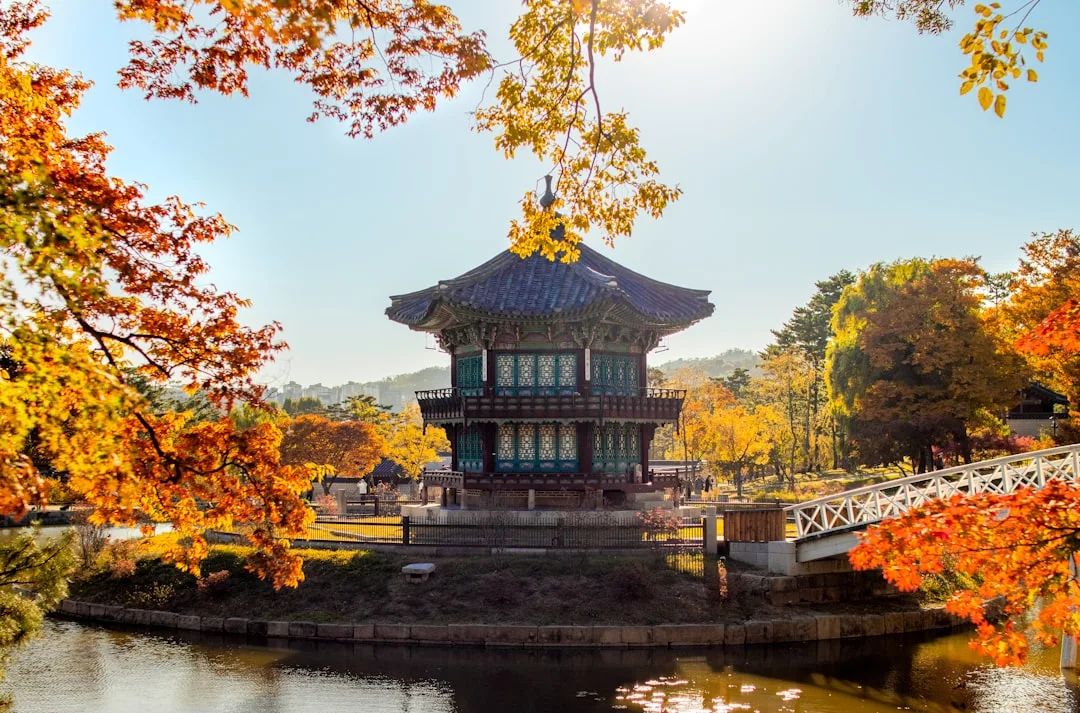
If you are choosing dates purely for comfortable weather, the best time to visit Korea is mid-September to early November (autumn) and late April to early June (spring) — both bring mild temperatures, low rainfall, and clear skies. Summer is hot, humid, and rainy; winter is cold and dry. Read on for the month-by-month detail that decides your trip.
Key takeaways
- Autumn (Sep–Nov) and spring (Apr–Jun) are the driest, mildest, and most reliably pleasant windows.
- Summer (late Jun–Aug) overlaps the East Asian rainy season (jangma) and peak typhoon risk, with high heat and humidity.
- Winter (Dec–Feb) is cold and dry, best for snow, ski resorts, and empty attractions — not for lingering outdoors.
- Spring can bring fine dust and yellow dust (hwangsa) from the Asian mainland; autumn air tends to be clearer.
- Verify live conditions before travel with the Korea Meteorological Administration (KMA) and the government air-quality service AirKorea.
How Korea's climate actually works
Korea has a temperate, four-season monsoon climate. Winters are governed by cold, dry continental air from Siberia; summers by warm, moist maritime air from the Pacific. The two transition seasons — spring and autumn — sit between these systems, which is exactly why they feel so comfortable.
The practical consequence: temperature alone doesn't tell the story. Summer and winter can share a "feels-like" discomfort for opposite reasons (humidity vs. wind chill), while spring and autumn hit the sweet spot of low humidity and moderate temperatures.
Regional variation matters too. Seoul and the north run colder in winter and have sharper seasonal swings. Busan and the south coast are milder and wetter. Jeju Island is the warmest region but also the windiest and most exposed to typhoons.
Month-by-month weather at a glance
The table below summarizes typical conditions for Seoul, Korea's most-visited region. Treat the temperature ranges as general seasonal norms — check KMA for the current year's actual figures.
| Month | Typical feel | Rain / snow | Crowd & comfort verdict |
|---|---|---|---|
| January | Coldest, dry | Occasional snow | Bracing; good for ski/snow |
| February | Cold, dry | Light snow | Cold but clearing toward month-end |
| March | Cool, warming | Low rain | Early spring; dust possible |
| April | Mild, blossoms | Occasional showers | Excellent; cherry blossoms |
| May | Warm, pleasant | Moderate | Excellent; peak spring comfort |
| June | Warm, humid rising | Rainy season begins late-month | Good early, wet later |
| July | Hot, very humid | Heaviest rain (jangma) | Poor for outdoor plans |
| August | Hottest, humid | Downpours, typhoon risk | Poor; heat + storms |
| September | Warm easing | Typhoon risk early | Good; improves through month |
| October | Mild, crisp | Very low | Excellent; peak clarity |
| November | Cool, dry | Low | Very good; late foliage |
| December | Cold, dry | Occasional snow | Cold but festive |
Spring (late March–June): blossoms, mild air, and dust caveats
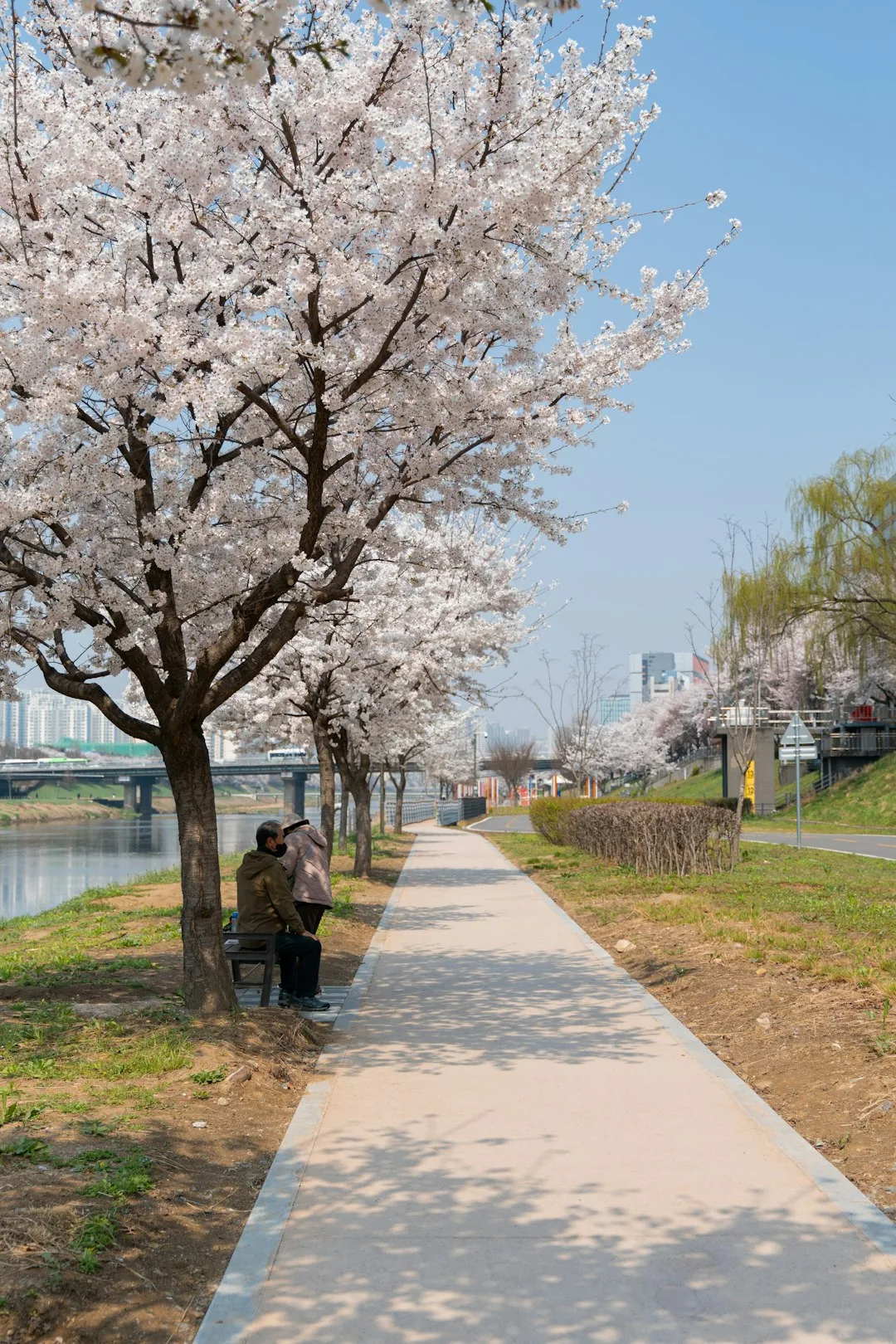
Spring is a top choice for weather, with daytime temperatures climbing from cool to comfortably warm and low rainfall through May. Cherry blossoms typically sweep from the south (late March) to Seoul (early April), though exact bloom dates shift each year — the KMA publishes annual blossom forecasts.
The one real drawback is air quality. Spring is when fine particulate matter (PM2.5/PM10) and periodic yellow dust (hwangsa) blown from arid regions of the Asian mainland peak. On bad days the sky turns hazy and sensitive travelers feel it.
Practical tip: check the AirKorea index each morning. If you have respiratory sensitivity, pack a certified KF-grade mask and plan indoor alternatives (palaces have museums; markets and cafés work well) for high-dust days.
Summer (late June–August): the rainy season and typhoons
Summer is Korea's most challenging weather window. Two forces converge:
- Jangma (장마), the monsoon rainy season — a stalled front that typically parks over the peninsula from roughly late June into July, delivering the year's heaviest, most concentrated rainfall. Onset and end dates vary yearly and are announced by KMA.
- Typhoon season — tropical storms track toward Korea mainly from August into September, occasionally forcing flight and ferry disruptions, especially around Jeju and the south coast.
Add high humidity and heat, and outdoor sightseeing becomes sweaty and unpredictable. That said, summer isn't a write-off: it's low-ish season for some sites, water parks and coastal towns are lively, and mountain/valley areas stay cooler. Just build flexibility into your itinerary and keep an umbrella handy.
Autumn (September–November): the clearest, most reliable window
For many travelers, autumn is the single best season, weather-wise. After the typhoon risk fades in mid-September, the peninsula settles into a run of crisp, dry, sunny days with low humidity — the clearest skies of the year and the lowest dust.
Fall foliage peaks from the northern mountains southward, generally from mid-October into November. It's the mirror image of spring's blossom wave. Comfortable temperatures make this ideal for hiking Bukhansan, palace-walking, and day trips.
The trade-off is popularity: autumn is high season, so book accommodation and intercity transport (KTX, popular guesthouses) well ahead.
Winter (December–February): cold, dry, and quiet
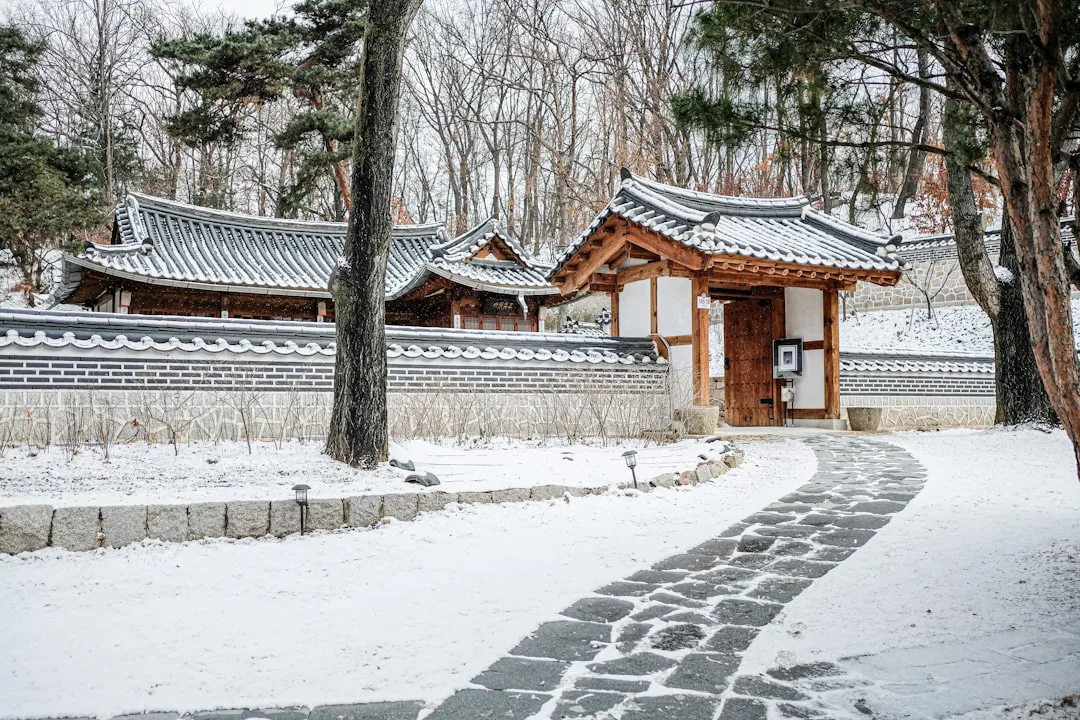
Winter is cold and dry, with Seoul often below freezing and sharp wind chill on the worst days. Snow is more scenic than heavy in the lowlands, while the eastern mountains (Gangwon) get reliable snowfall for skiing and snowboarding.
Upsides: thin crowds, lower off-peak prices at many hotels, clear festive lighting, and dramatic snowy palace scenes. If you dress in proper layers and don't mind short outdoor stints between warm cafés, winter is genuinely rewarding.
A quick decision framework
Match the season to what you actually want:
- Want the most comfortable, reliable weather? Choose October, then May, then September/November.
- Chasing cherry blossoms? Aim for early-to-mid April in Seoul (check the annual KMA bloom forecast).
- Chasing fall foliage? Aim for late October to early November.
- Sensitive to air pollution? Favor autumn over spring; avoid March–April dust peaks.
- Traveling on a tighter budget or hate crowds? Consider winter (excluding holidays) or the shoulder weeks of June.
- Combining with Japan? Timing overlaps neatly in spring and autumn — see our dedicated guide to the best time to visit Korea and Japan on one trip.
Common weather-planning mistakes
- Booking August for a city sightseeing trip and then losing days to downpours and heat.
- Assuming spring means clear skies — it often means haze; check AirKorea.
- Underpacking layers for autumn/winter mornings, which can be much colder than midday.
- Ignoring typhoon windows in late summer when flying to or from Jeju.
- Locking cherry-blossom dates months out — bloom timing shifts yearly; keep a few flexible days.
For a broader itinerary-and-events view beyond pure weather, see our season-by-season guide to visiting Korea.
Frequently asked questions
What is the single best month to visit Korea for weather?
October is the most reliable choice: dry, mild, low humidity, clear skies, and generally the year's best air quality, plus fall foliage building through the month. May is the strongest spring alternative.
When is the rainy season in Korea?
The monsoon rainy season, jangma, typically runs from around late June into July, bringing the heaviest rainfall of the year. Exact start and end dates change annually and are announced by the Korea Meteorological Administration.
Is spring or autumn better for good weather?
Both are excellent for temperature and low rain, but autumn usually has clearer skies and better air quality. Spring can be affected by fine dust and yellow dust from the Asian mainland, so autumn edges ahead for sensitive travelers.
When should I avoid visiting Korea for weather reasons?
Late July through August is the toughest window, combining peak heat, high humidity, the rainy season, and rising typhoon risk. If outdoor sightseeing is your priority, this period is the least dependable.
How do I check current conditions before I travel?
Use the Korea Meteorological Administration (KMA) for forecasts, seasonal bloom and foliage timing, and typhoon and rainy-season announcements, and AirKorea, the government air-quality service, for real-time fine-dust levels.
Next steps
- Pick your season using the decision framework above based on comfort, blossoms, foliage, or budget.
- Cross-check the current year's bloom/foliage forecast and typhoon updates on the KMA site.
- Check AirKorea each morning during your trip and keep a flexible indoor option ready.
- Book transport and lodging early if you land on autumn or blossom season — they sell out fastest.
This article is general travel information based on typical seasonal climate patterns, not a forecast. Weather varies year to year; confirm current conditions with official sources before you travel.