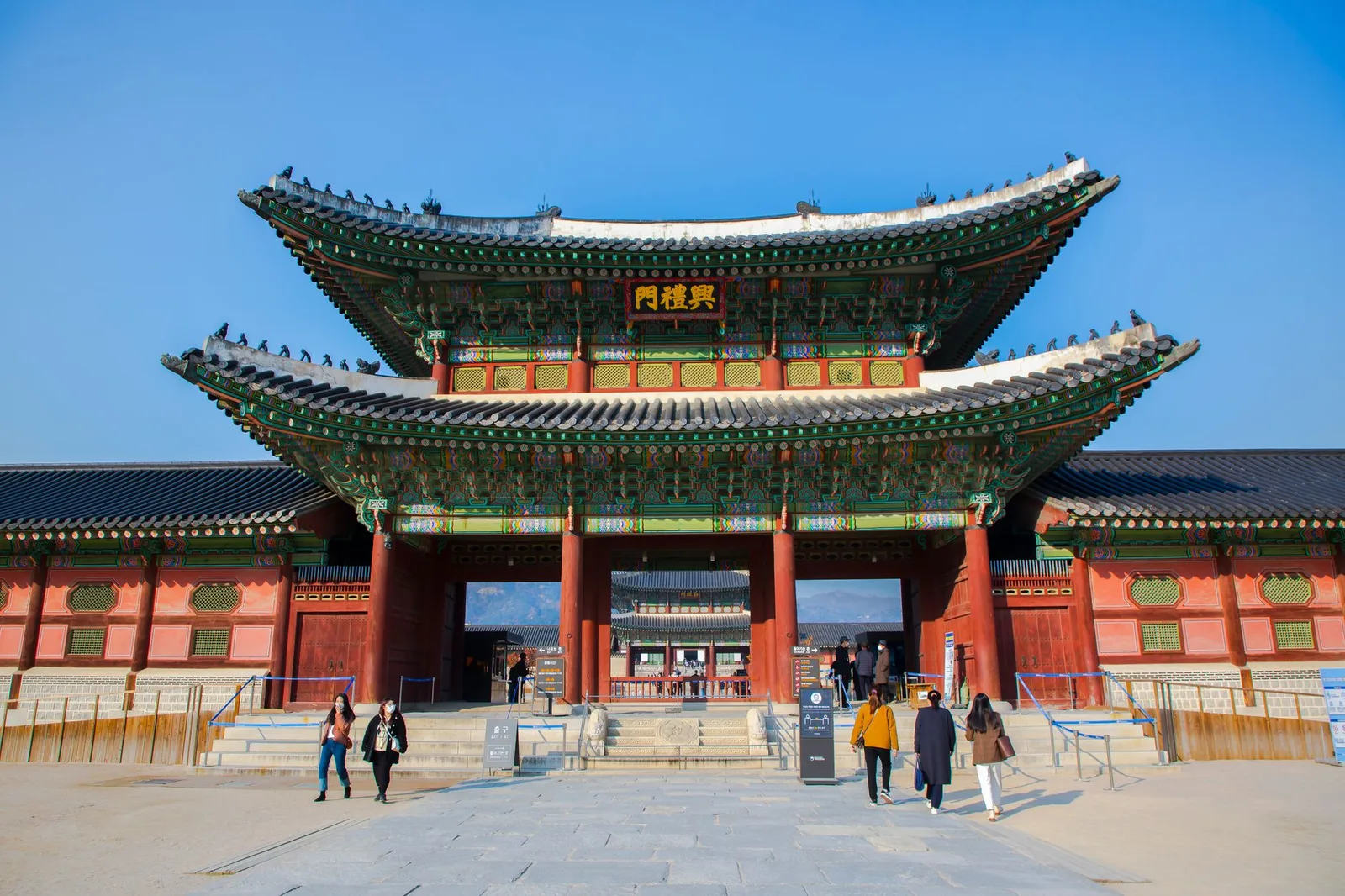
Most five-day Seoul plans break on a Tuesday, when Gyeongbokgung is shut. Build the trip as five geographic blocks instead: Myeongdong and Namsan on arrival day, the palace quarter and Bukchon on day two, a day trip on day three, Hongdae and the west end on day four, Seongsu and the east on day five.
That ordering is not arbitrary. Seoul is a set of dense clusters separated by 20 to 40 minutes of subway, and the fastest way to waste a short trip is to cross the Han River twice in one afternoon.
Five things to settle before the itinerary matters
- Closing days come first. Gyeongbokgung and Jongmyo Shrine close on Tuesdays; Changdeokgung, Changgyeonggung and Deoksugung close on Mondays, per the Korea Heritage Service royal palace portal.
- Huwon needs a reservation. Changdeokgung's Secret Garden is entered only on a timed guided tour with a capped headcount, and same-day slots sell out on weekends and in foliage season.
- One base, five nights. Five days does not justify moving hotels; see the breakdown of best neighborhoods in Seoul for tourists by travel style.
- Choose the day trip before you land. DMZ tours require advance booking and your actual passport; Suwon and Gapyeong do not.
- Sort connectivity and a transit card at the airport, not on the second morning.
The 5-day Seoul itinerary at a glance
| Day | Base area | Anchors | On foot | Needs booking |
|---|---|---|---|---|
| 1 | Myeongdong / Jung-gu | Namdaemun Market, Namsan, N Seoul Tower | 4–6 km | No |
| 2 | Jongno | Gyeongbokgung, Bukchon, Ikseon-dong, Gwangjang Market | 8–10 km | Huwon tour if added |
| 3 | Outside Seoul | DMZ, Suwon Hwaseong or Nami Island | Varies | DMZ only |
| 4 | Mapo / west | Hongdae, Yeonnam-dong, Hapjeong, Han River sunset | 7–9 km | No |
| 5 | East side | Seongsu, Ttukseom, Jamsil or Gangnam | 5–7 km | Seoul Sky if timed |
Day 3 sits in the middle on purpose. If the forecast turns, swap it with day 4 or 5 without unpicking the rest of the plan.
Day by day
Day 1: land, stay central, do not overreach
The Airport Railroad's all-stop commuter train runs from both Incheon terminals to Seoul Station for under 5,000 KRW and takes roughly an hour; the direct express is faster and costs more, and current fares are posted by AREX. Immigration queues at peak arrival banks routinely add 40 to 60 minutes, so treat any flight landing after 19:00 as an arrival-only evening.
With an afternoon in hand, Namdaemun Market and Myeongdong are the right first move because they are walkable from most central hotels and they run late. Namsan is the evening anchor: the cable car from Myeongdong, the shuttle bus, or a 30-minute climb from the Namsan Botanical Garden entrance. The observation deck ticket is optional; the terrace outside is free and the view is largely the same.
Jet lag makes day one the cheapest day to lose. Plan it that way rather than fighting it.
Day 2: the palace quarter, in one loop
Start at Gwanghwamun by 09:30. The changing of the royal guard at Gyeongbokgung's main gate runs at 10:00 and 14:00 for about 20 minutes, and it does not run on the palace's Tuesday closing day or in heavy rain. Adult admission to Gyeongbokgung is 3,000 KRW, and entry is free for anyone in hanbok, which is why the rental shops cluster along the north side of the palace.
From the palace's east gate it is a ten-minute walk uphill into Bukchon Hanok Village, which is a residential neighbourhood before it is a sight. Jongno-gu designated the busiest lane, Bukchon-ro 11-gil, a special management zone and restricted visitor access to daytime hours after years of noise complaints; the posted signage at the alley entrance carries the current hours and penalties. Go in the morning, keep your voice down, and the problem solves itself.
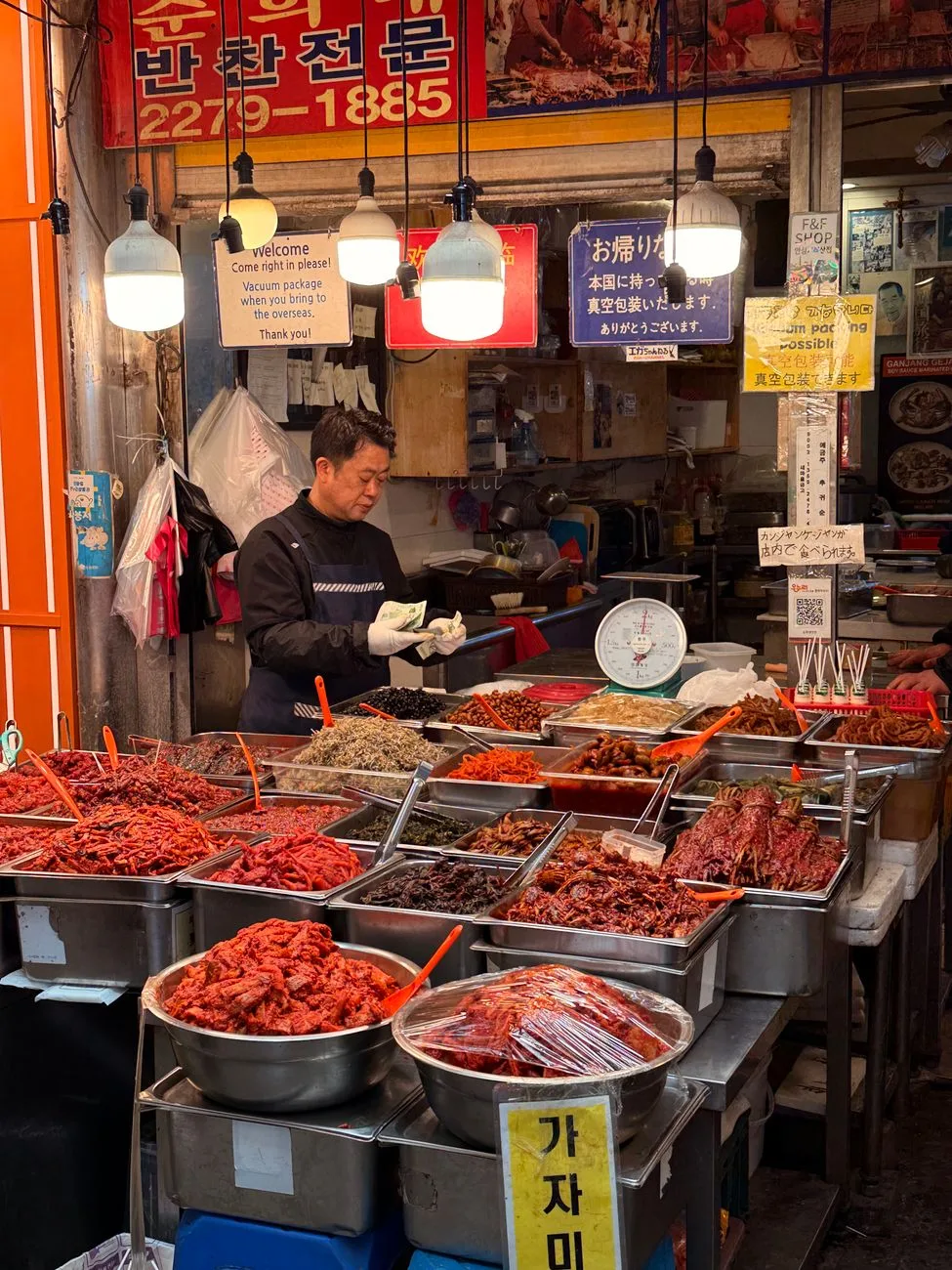
Then drop south through Samcheong-dong to Insadong and Ikseon-dong, and finish at Gwangjang Market for bindaetteok, mayak gimbap and yukhoe. The market's food alley is busiest between 18:00 and 21:00.
If you want a second palace, make it Changdeokgung rather than a repeat of the same architecture. Its Huwon garden is the one genuinely different experience in the palace set.
Day 3: out of the city
Covered in detail in the comparison below. Whichever option you pick, this is the day that eats a full 8 to 10 hours, so do not schedule anything for the evening beyond dinner near your hotel.
Day 4: Hongdae, Yeonnam and the river
The west side does not wake up early. Most Hongdae shops and cafés open between 11:00 and noon, so use the morning for the Gyeongui Line Forest Park in Yeonnam-dong, a converted railway cutting that runs for about 6 km, then work south through Hongdae's main street toward Hapjeong.
Busking on the Hongdae pedestrian street picks up from late afternoon on weekends. Finish at Mangwon Hangang Park or Yeouido for sunset, where the convenience-store ramyeon machines by the river are a genuine local ritual rather than a tourist invention.
Day 5: Seongsu, then a buffer
Seongsu-dong is the current answer to "where do Seoulites actually go", built out of former shoe factories and print shops into flagship pop-up stores and coffee roasters. It is one Line 2 stop from Ttukseom Hangang Park.
Keep the back half of day five loose. Lotte World Tower's Seoul Sky observatory in Jamsil is the obvious high-view option if the sky is clear, and Starfield COEX Mall's library in Gangnam is the obvious wet-weather one. Leave four hours between your last stop and airport check-in.
What five days of transport actually costs
Seoul's subway base fare is 1,400 KRW on a transit card as of 2025, covering the first 10 km, with small increments after that. The Seoul Metropolitan Government also sells short-term Climate Cards aimed at visitors, priced by duration; the five-day tier was 15,000 KRW as of 2025, plus 3,000 KRW for the physical card itself. Confirm the current tiers on Visit Seoul before you queue at a machine.
The arithmetic is straightforward. At 1,400 KRW a ride, the five-day pass pays for itself at roughly 11 journeys, or under three a day. A normal Seoul itinerary runs four to six subway legs daily once you count evening returns, so the pass wins comfortably.
It fails in one specific case, and it is the case this itinerary creates. The Climate Card is valid inside Seoul only. It does not cover the ride to or from Incheon Airport, it does not cover the Shinbundang Line, and it does not cover a day trip to Suwon or Gapyeong. If your day three leaves the city, you pay those fares separately, which shifts the break-even and can make a plain T-money card the better buy. The full comparison is in T-money card vs Climate Card.
| Fixed item | Cost (as of 2025) | Note |
|---|---|---|
| Climate Card, 5-day tier | 15,000 KRW + 3,000 card | Seoul boundary only |
| Integrated palace ticket | 10,000 KRW | Four palaces + Jongmyo, valid 3 months |
| Gyeongbokgung, adult | 3,000 KRW | Free in hanbok |
| Changdeokgung + Huwon | 3,000 + 5,000 KRW | Huwon by timed tour |
| AREX all-stop, ICN to Seoul Station | Under 5,000 KRW | About 60 minutes |
| Taxi base fare, medium | 4,800 KRW | 20% surcharge from 22:00 |
Accommodation and food will dominate the total and vary far more than any of the above. Buy the integrated palace ticket only if you will visit three or more sites; two palaces cost less bought separately.
For data, sort an eSIM before departure rather than hunting a counter at 23:00 in the arrivals hall. The options are compared in the best eSIM for Korea.
Pick your day trip: DMZ, Suwon or Nami Island
| Option | Getting there | Rough cost | Book ahead | Best for |
|---|---|---|---|---|
| DMZ (Imjingak, Third Tunnel) | Guided coach, ~1 hr each way | Tens of thousands of won per person | Yes, passport required | First-time visitors wanting the border |
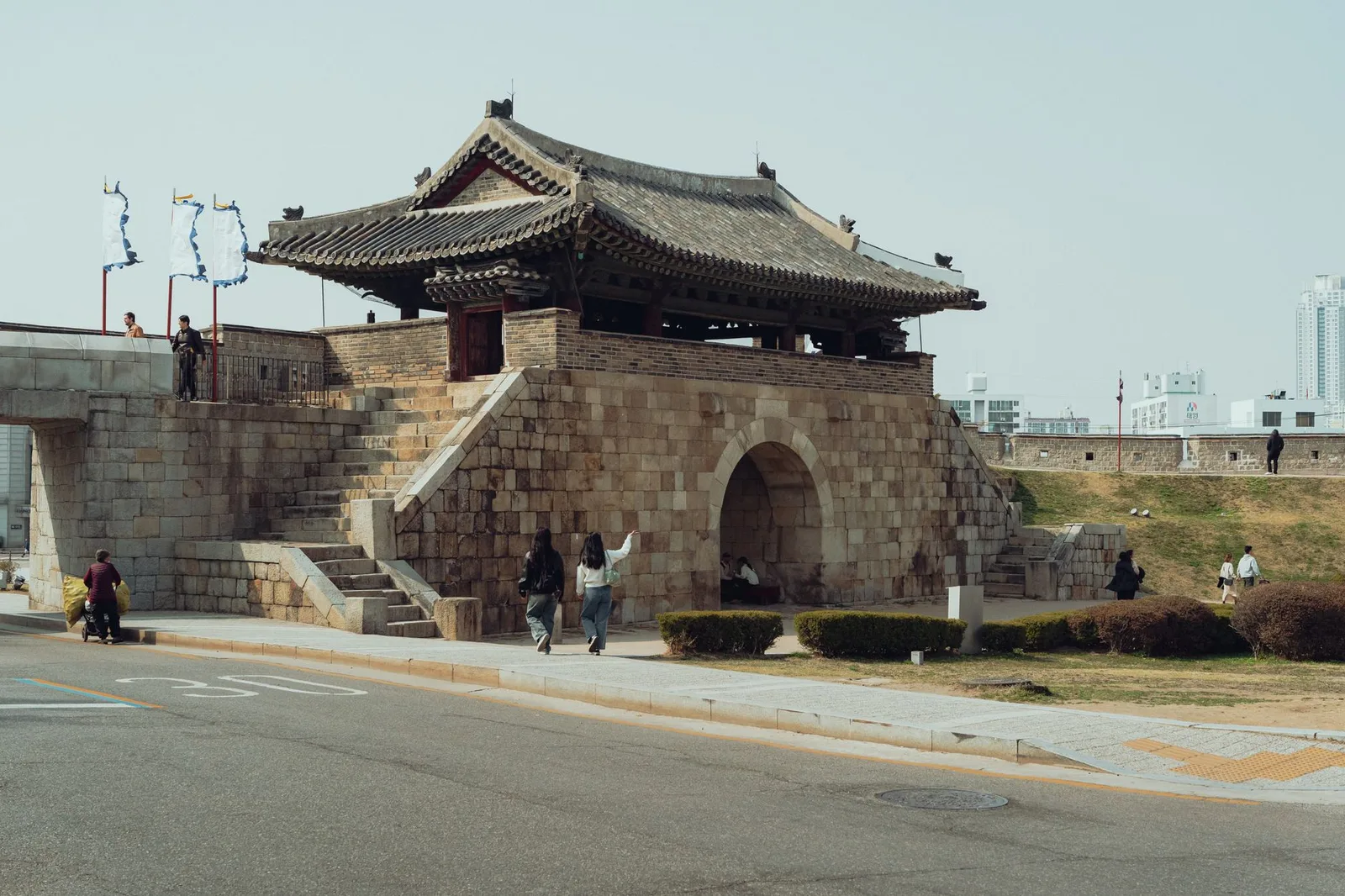
| Suwon Hwaseong | Line 1 to Suwon, ~1 hr | Subway fare + small admission | No | Walkers; a UNESCO fortress wall circuit of about 5.7 km |
| Nami Island | Gyeongchun Line or ITX to Gapyeong, then shuttle and ferry | Transport + island entry fee | No | Autumn foliage and spring blossom |
| Incheon Chinatown | Line 1 to Incheon, ~70 min | Subway fare | No | Half-day, food-led, cheap |
The recommendation: Suwon if you like walking, DMZ if you want the thing you cannot see anywhere else. Suwon is the better value by a wide margin, needs no booking, and can be abandoned halfway if the weather turns. The DMZ is the stronger experience but consumes the whole day, runs to a fixed schedule, and requires your physical passport at the checkpoint.
One caveat on the DMZ: access to the Joint Security Area at Panmunjom has been suspended and intermittently restored in recent years, and it is controlled separately from the general DMZ tour. Any operator promising JSA entry should be checked against current United Nations Command guidance before you pay. Standard tours to Imjingak and the Third Infiltration Tunnel are a different product and have run more consistently.
Nami Island is worth the transfer chain in late October or early April and hard to justify in February.
Where five-day Seoul plans go wrong
The closing days stack. Landing on a Sunday and doing palaces on Monday means Changdeokgung, Changgyeonggung and Deoksugung are all shut on the same morning, leaving only Gyeongbokgung open. Read the calendar before the itinerary.
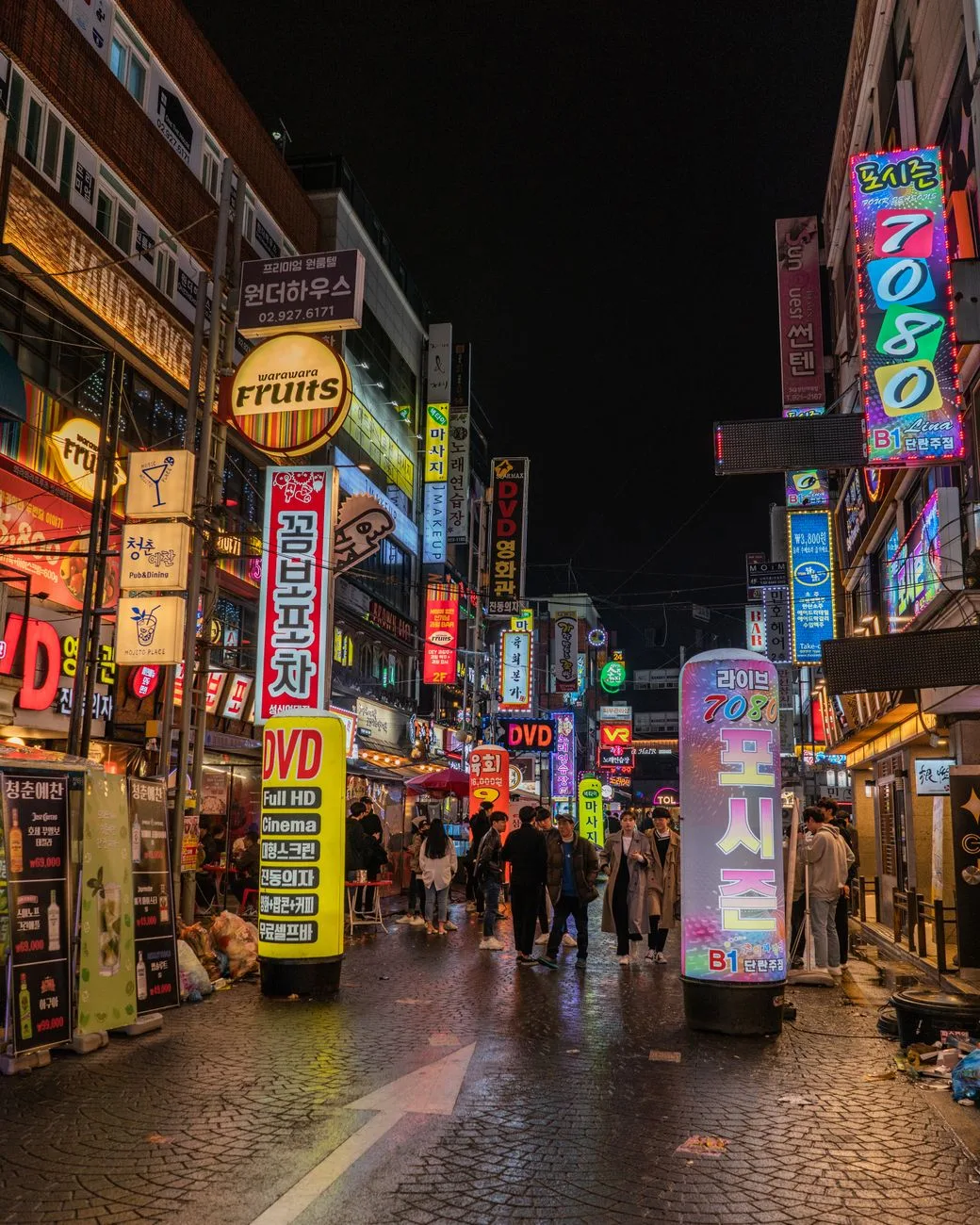
Gangnam and Hongdae get combined into one day. They sit at opposite ends of Line 2, and the ride between them is around 40 minutes each way before transfers. Pick one per day.
Mornings get overbooked. Palaces and traditional markets open early; Hongdae, Seongsu and Ikseon-dong shops mostly do not open before 11:00. Front-load the sights that are actually open.
Last trains catch people out. Seoul's subway stops running around midnight to 01:00 depending on the line and direction, and taxi demand in Hongdae and Gangnam spikes hard at closing time. The 20% late-night taxi surcharge applies from 22:00.
Season changes the plan more than any of this. Mid-August humidity makes an 8 km Bukchon-to-Gwangjang walking day miserable, and January wind on the Hwaseong wall is worse; check Korea weather month by month and, if you are aiming for blossom, the regional timing in cherry blossom season in Korea.
Where this plan does not hold: if you are travelling with a toddler and a stroller, cut a full block. Many older transfer stations run long corridors and stairs, and the day-two Bukchon route is a sustained hill. Two neighbourhoods a day is the realistic ceiling in that case.
Frequently asked questions
Is 5 days enough for Seoul?
Yes, for the main clusters. Five days covers the palace quarter, the central shopping districts, one western and one eastern neighbourhood, and a day trip, with time to eat properly. It does not cover Seoul plus another Korean city at any sensible pace.
Should I add Busan to a 5-day trip?
No. Busan deserves its own two to three nights, and the round trip alone consumes most of a day. If you have eight days or more, the Busan travel guide sets out a three-day plan, and the Korea Rail Pass break-even analysis shows whether the pass makes sense for that route.
Which day of the week should I start?
Starting on a Wednesday or Thursday works best. It puts the palace day on a Thursday or Friday, keeps the weekend for Hongdae and Seongsu when they are liveliest, and avoids handing a Monday or Tuesday to closed heritage sites.
Do I need a K-ETA before flying?
It depends on your nationality and on temporary exemptions that have been extended and revised repeatedly. Check your own passport's status on the official K-ETA portal rather than relying on a travel blog, and note that an electronic arrival card system also applies at entry.
Can I get a tax refund on shopping?
Foreign visitors can claim VAT refunds on qualifying purchases above a minimum transaction value, either immediately in participating stores or at airport kiosks with your passport and receipts. Thresholds and limits are set by the National Tax Service and have changed more than once; the current figures are published by the Korea Tourism Organization.
Prices, fares and opening hours in this article were accurate to the sources named at the time of writing and change without much notice. Verify the palace calendar and the Climate Card tiers in the week before you travel, because those two items are what the rest of the itinerary hangs on.